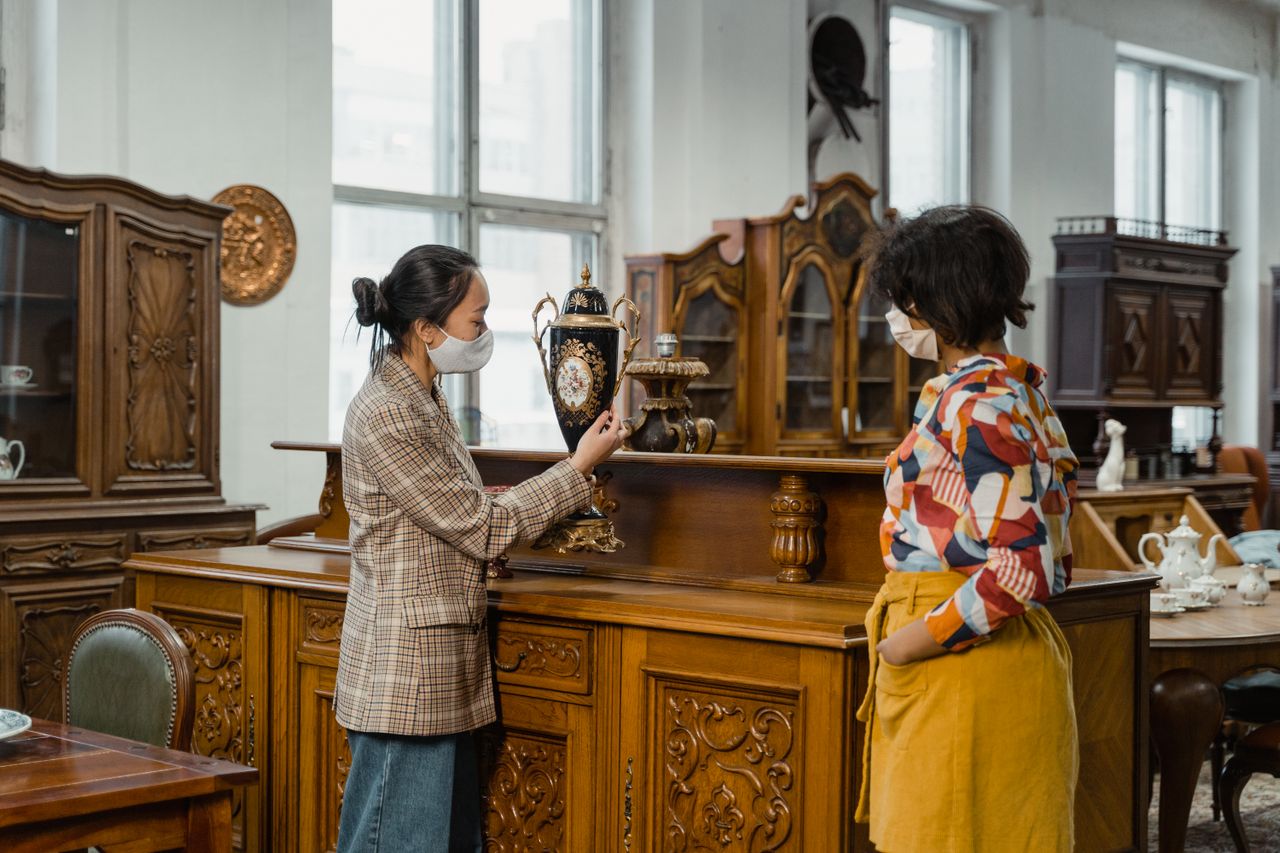
Vintage porcelain is valued for its craftsmanship, decorative designs, historical significance, and collectible appeal. From elegant tea sets to decorative plates and figurines, porcelain pieces often carry small marks that reveal important information about their origins. These markings, commonly found on the underside of an object, can help collectors identify the manufacturer, country of production, approximate age, and sometimes the artist responsible for the design.
Learning how to recognise porcelain marks is a useful skill for anyone interested in antiques, vintage tableware, or ceramic collecting. With careful observation and a little research, you can discover more about the history of individual pieces.
Understand What Porcelain Marks Are
Porcelain marks are symbols, letters, numbers, signatures, or printed designs applied to ceramic objects during or after manufacturing. They are commonly known as backstamps or maker’s marks because they usually appear on the bottom of plates, cups, bowls, and decorative ornaments.
Manufacturers have used different marking systems over the years. Some marks include a company name, while others feature crowns, shields, animals, initials, or decorative symbols.
These markings provide useful identification clues, although not every vintage porcelain item has a clearly visible manufacturer’s mark.
Examine the Bottom of the Porcelain Piece
The first step in identifying a porcelain mark is examining the underside of the object.
Turn the item carefully and look for printed, painted, impressed, or engraved markings. Some marks are easy to recognise, while others may be faded, partially damaged, or covered by years of use.
Use good lighting and a magnifying glass to inspect small letters and decorative symbols. Avoid aggressive cleaning methods that could damage delicate markings or original surfaces.
Taking a clear photograph of the mark can also make later research easier.
Identify the Manufacturer’s Name or Symbol
Many porcelain manufacturers used distinctive marks to identify their products. Recognising these symbols can help narrow down the possible origin of a piece.
European Porcelain Marks
European manufacturers have produced porcelain for centuries, with several well-known factories developing recognisable backstamps.
For example, Meissen is associated with crossed blue swords, while Royal Copenhagen is recognised by its crown and three-wave symbol. Wedgwood has also used several versions of its name and characteristic manufacturer markings.
These symbols can provide useful starting points when researching European porcelain.
Japanese Porcelain Marks
Japanese porcelain often features marks written in Japanese characters, along with symbols, factory names, or country-of-origin information.
Some pieces include markings associated with traditional production regions or manufacturers. Identifying these marks may require consulting specialised reference books or reliable online porcelain databases.
Chinese Porcelain Marks
Chinese porcelain can feature characters, reign marks, workshop symbols, and decorative seals. Some historical pieces include imperial reign marks that refer to particular Chinese dynasties or emperors.
However, a reign mark does not automatically prove that an object was manufactured during the period it names. Later reproductions frequently use historical marks for decorative or commercial purposes.
Use Numbers and Letters to Identify Production Details
Some manufacturers included numbers, letters, or combinations of both on their porcelain pieces.
These markings may represent pattern numbers, shape references, factory codes, decorator identifiers, or production information.
For example, a decorative plate may have a manufacturer’s mark alongside a separate number identifying its particular pattern.
Collectors should avoid assuming that every number represents a manufacturing year. Reference catalogues and manufacturer records can help explain the meaning of individual codes.
Learn the Difference Between Printed and Impressed Marks
The way a mark appears on porcelain can also provide useful information.
Printed marks are usually applied using ink or transfer-printing techniques. They may appear in blue, green, black, red, or other colours.
Impressed marks are pressed directly into the ceramic body before firing. They often appear as raised or recessed letters, numbers, or symbols.
Hand-painted marks may feature brushstrokes, signatures, or decorative symbols. These can sometimes help distinguish individually decorated pieces from mass-produced items.
However, the marking technique alone cannot establish an exact manufacturing date.
Research Porcelain Marks Using Reference Resources
Once you have identified the visible letters or symbols, compare them with established porcelain reference resources.
Manufacturer catalogues, antique identification books, museum collections, and specialist collector websites can help you recognise historical marks.
Useful research resources include the official websites of manufacturers such as Meissen, Wedgwood, and Royal Copenhagen. Auction archives and museum collections can also provide examples of comparable pieces.
When researching, compare the complete mark rather than relying on a single symbol. Similar-looking marks may have been used by different manufacturers.
Consider the Shape, Decoration, and Condition
A porcelain mark should never be examined separately from the object itself.
Look at the shape, glaze, decorative patterns, colours, and manufacturing quality. Compare these features with known examples from the suspected manufacturer.
Condition is equally important. Cracks, chips, repairs, glaze damage, and fading can influence the collectible value of porcelain.
Professional assessment may be worthwhile for rare or potentially valuable pieces, particularly when authenticity is uncertain.
Common Mistakes When Identifying Vintage Porcelain
One common mistake is treating every old-looking mark as proof of authenticity. Reproductions and later commemorative pieces may carry historical-looking symbols.
Another mistake is relying entirely on online photographs without comparing the porcelain’s physical characteristics.
Collectors should also avoid confusing country-of-origin markings with manufacturer names or assuming that a pattern number indicates the item’s age.
Careful comparison and reliable documentation are more useful than making conclusions from a single marking.
Conclusion
Identifying marks on vintage porcelain is an effective way to explore the history, manufacturer, and possible age of collectible ceramic pieces. By examining backstamps, recognising manufacturer symbols, understanding production codes, and researching historical references, collectors can make more informed identifications.